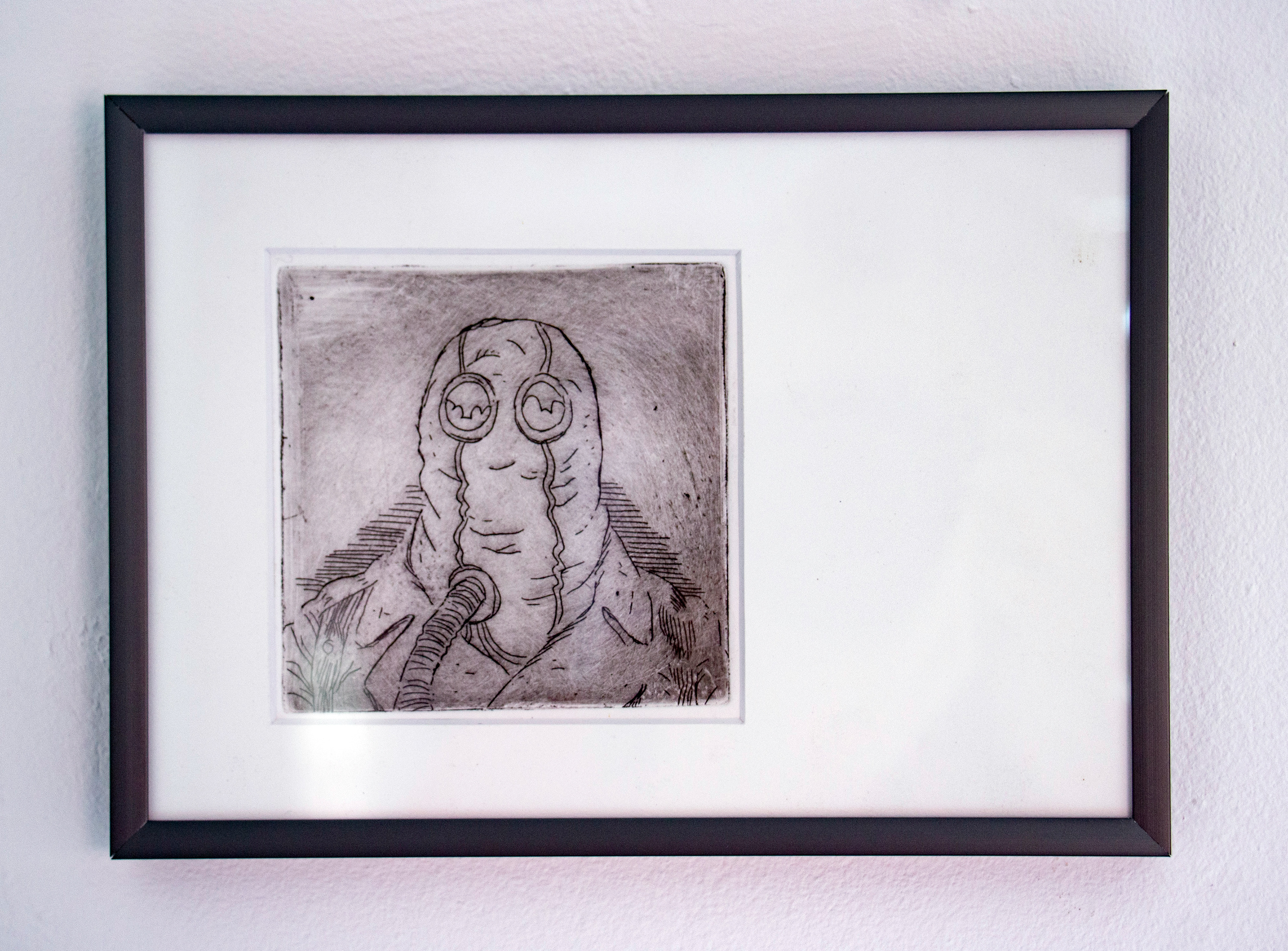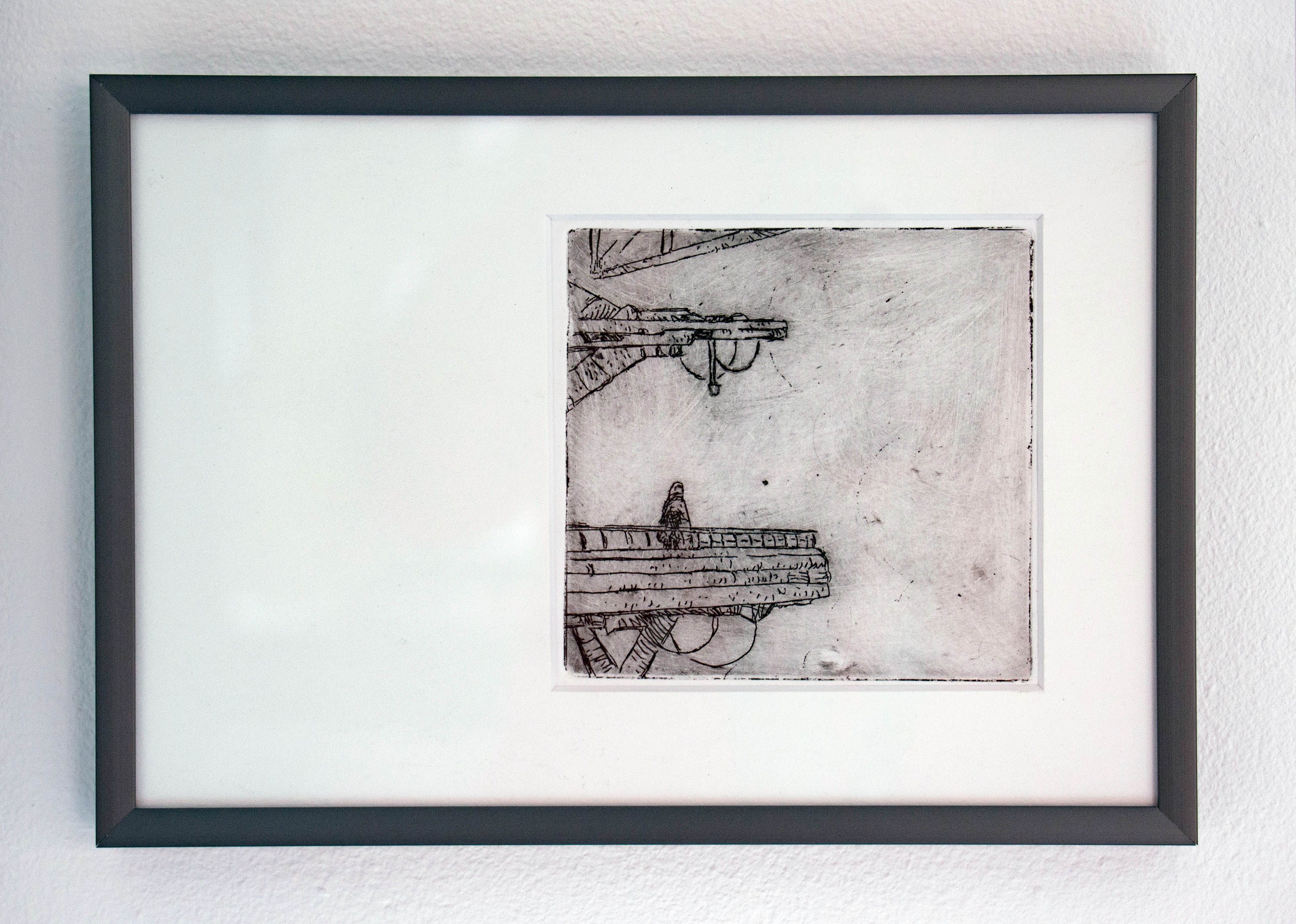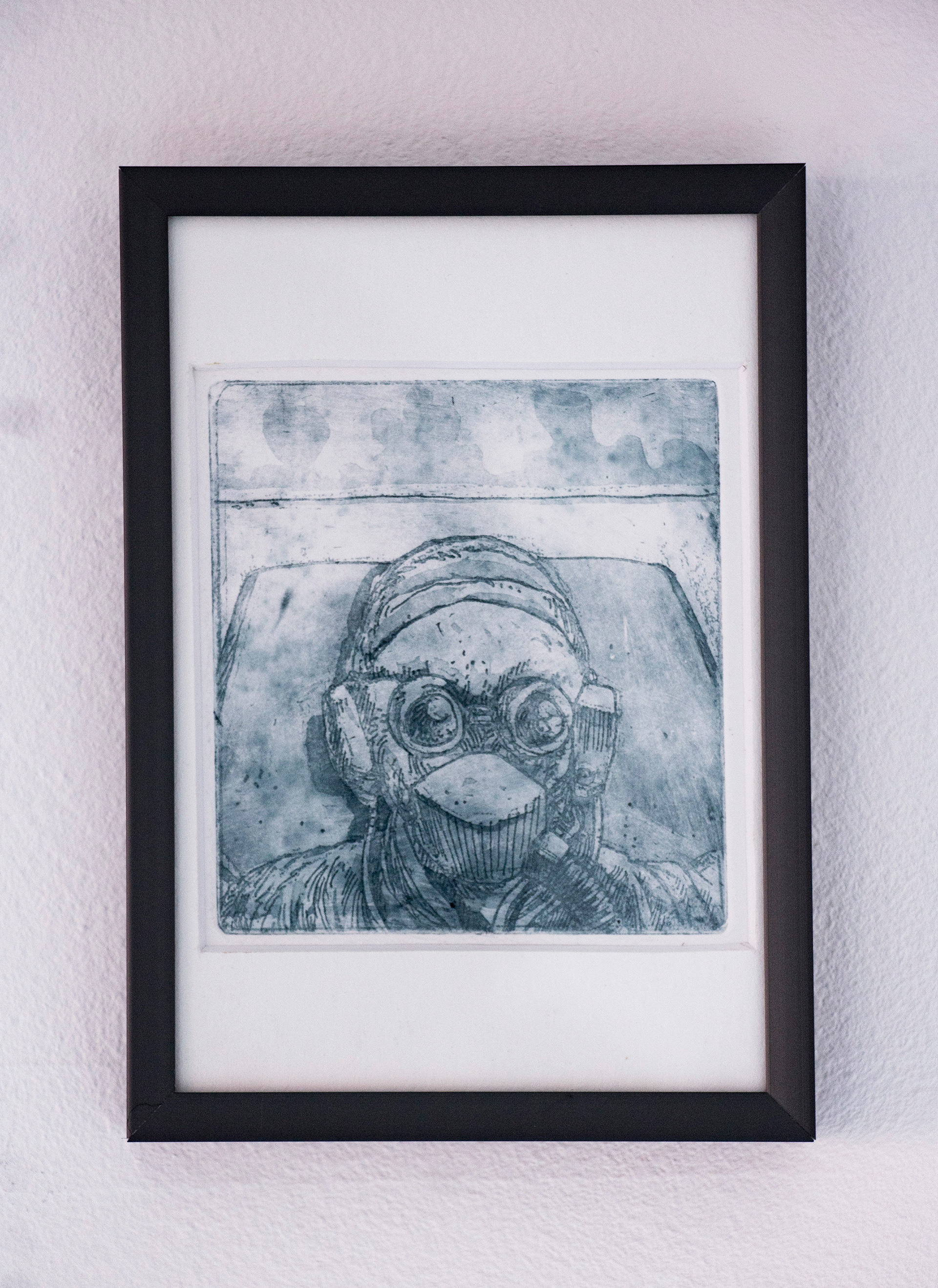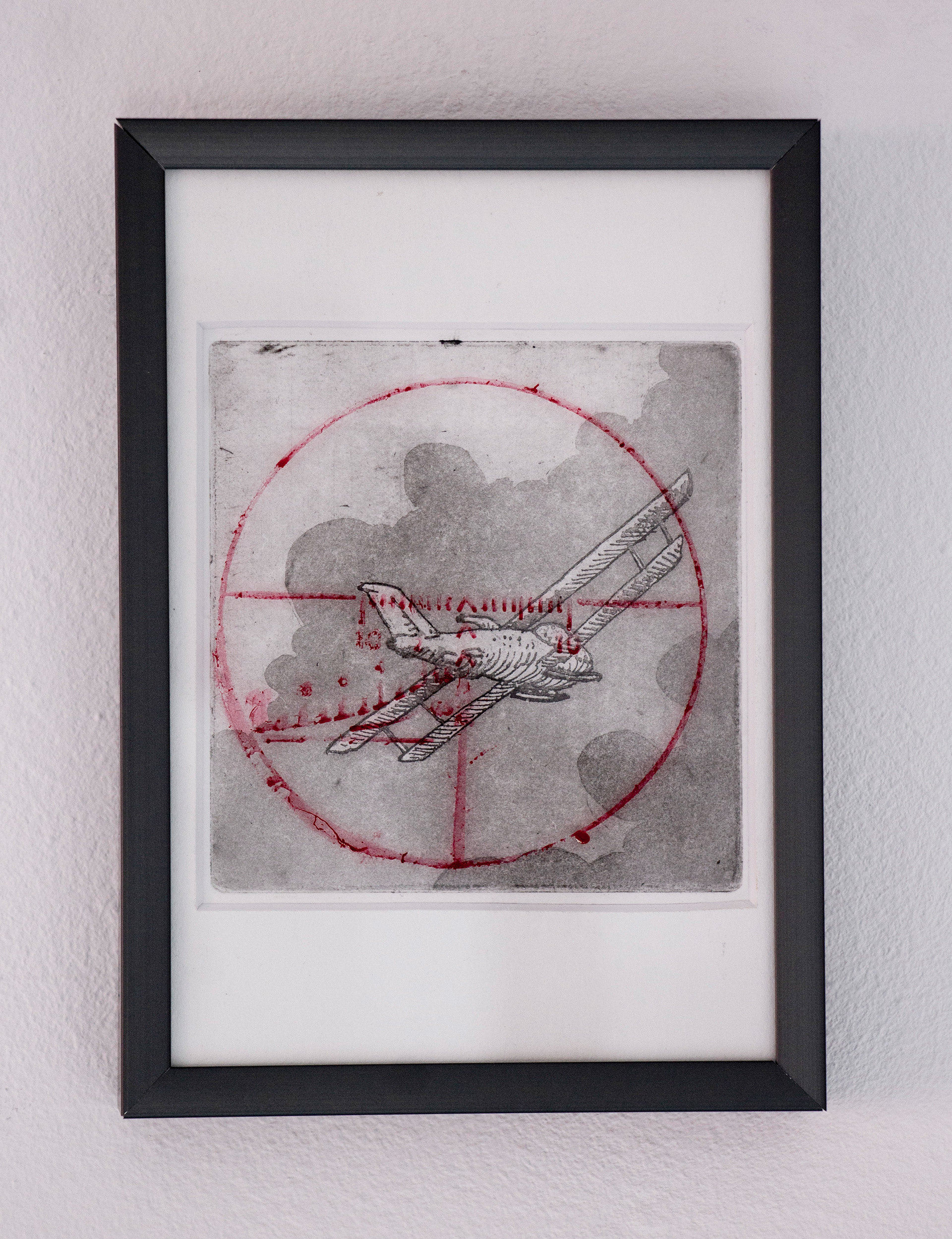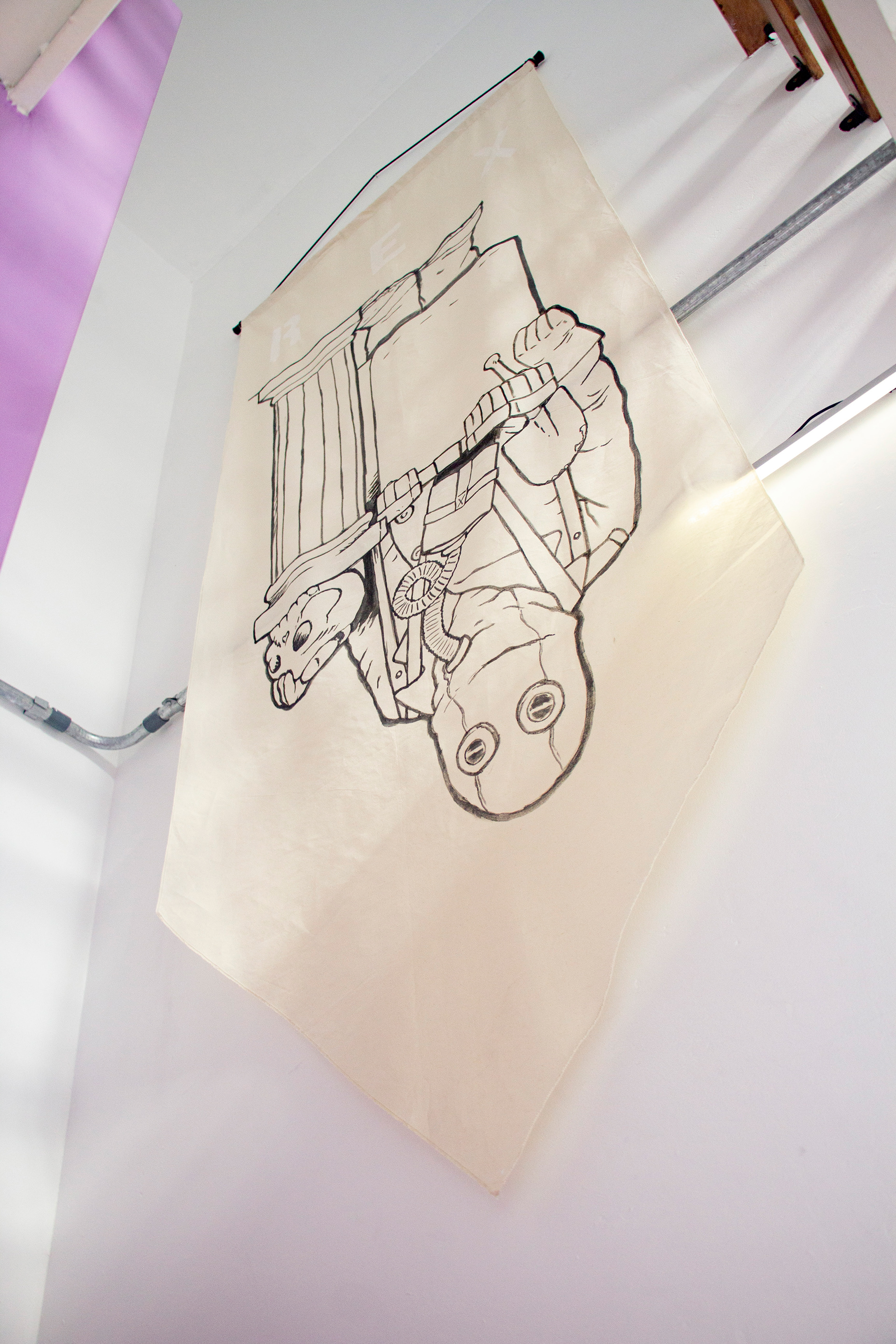
Texto da curadora Ana Bellenzier para a exposição Cidade do Céu em exibição na Múltiplo Arte Impressa e Galeria (Curitiba, julho a agosto de 2025) – English version bellow.
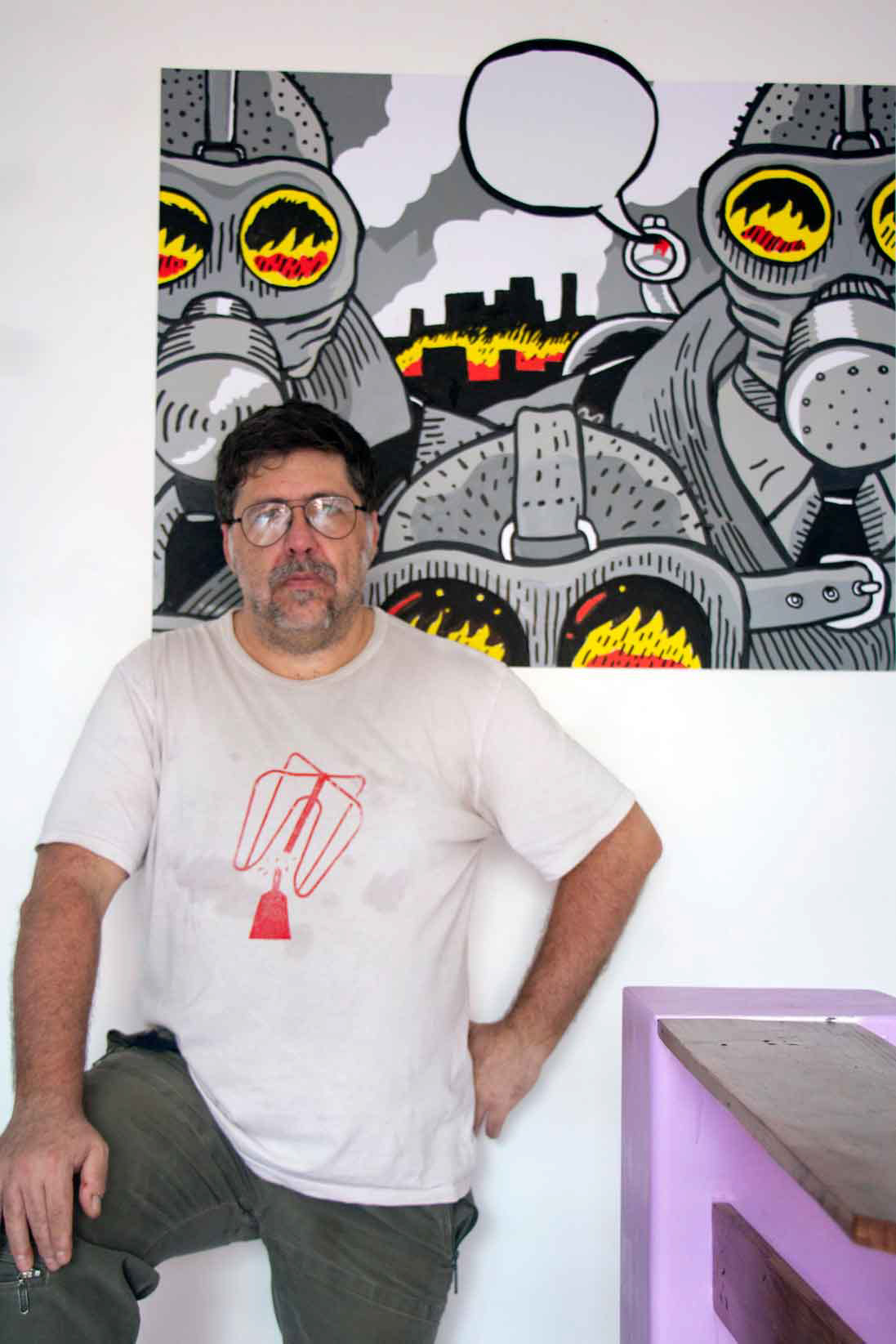
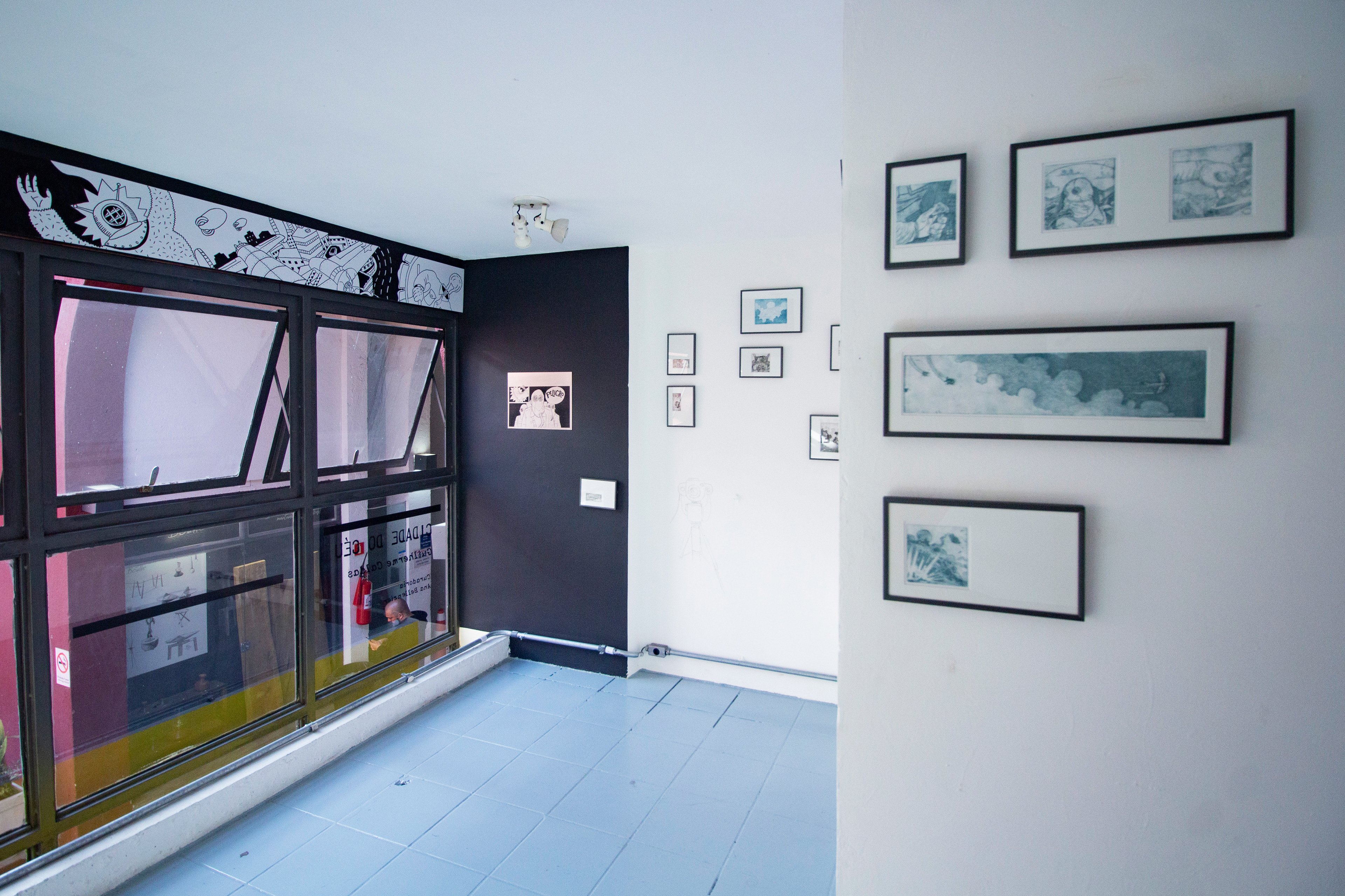
Prepare-se para pousar — ou decolar — num território gráfico onde a gravura encontra o quadrinho, o desenho se estica até virar instalação, e a galeria se transforma numa espécie de história em quadrinhos habitável. Em Cidade do Céu, Guilherme Caldas não propõe apenas uma exposição: ele instala uma espécie de laboratório visual de experimentações gráficas, onde tudo é fragmento e possibilidade. A galeria Múltiplo deixa de ser uma sala expositiva para virar página (ou seria painel?), suporte físico de uma narrativa que se desenrola no espaço, entre carimbos, transferências, metais e humor.
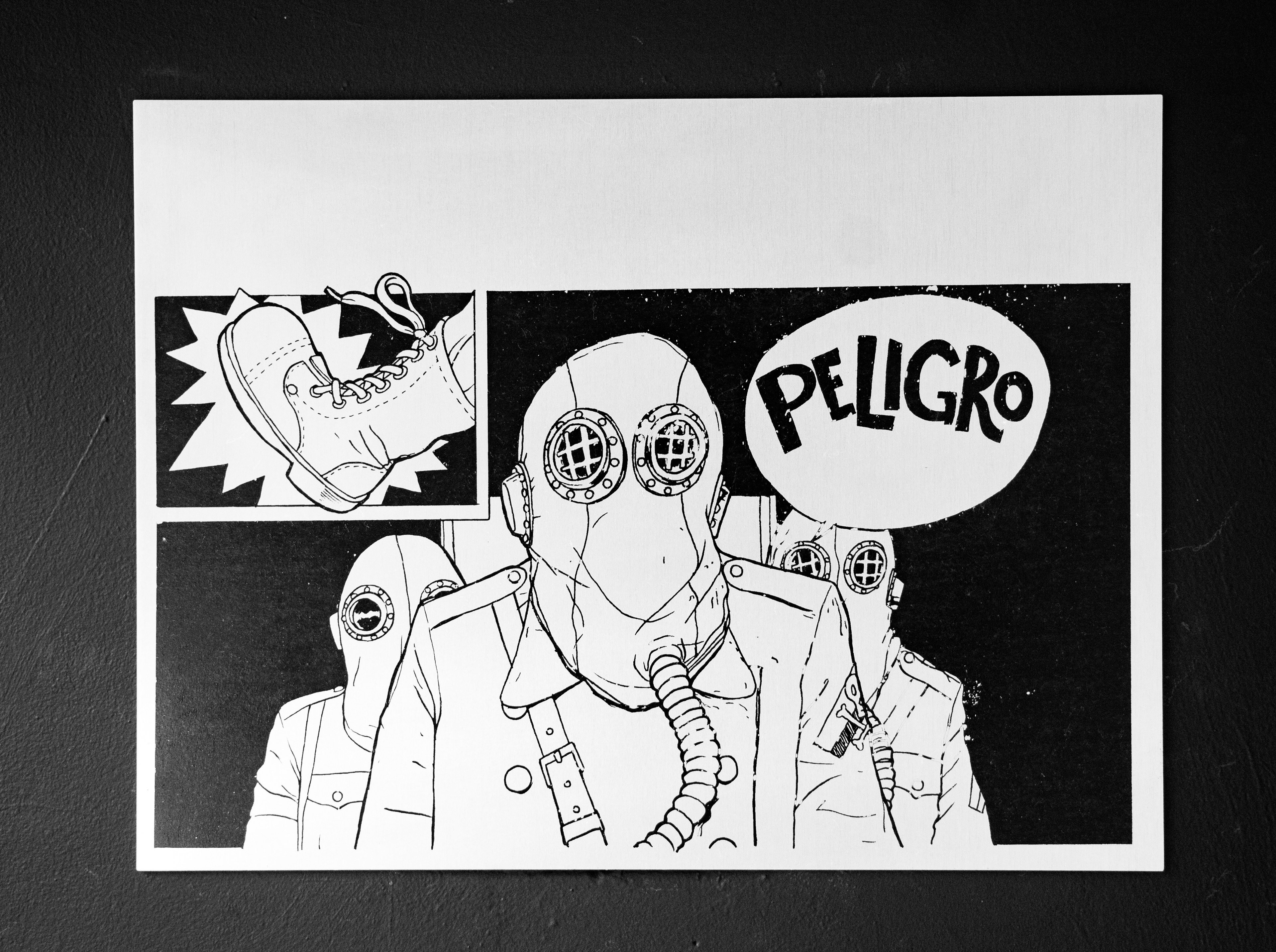
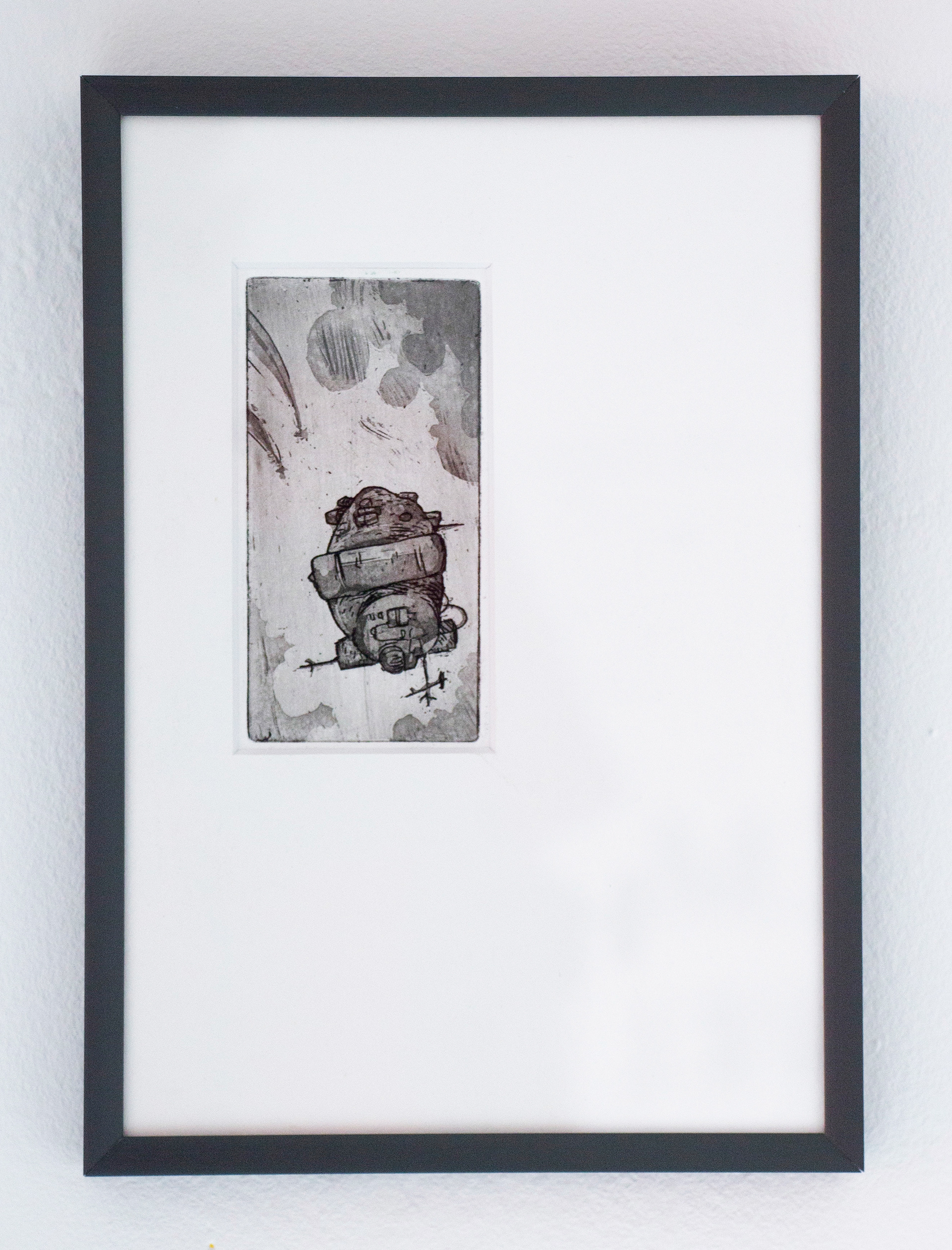
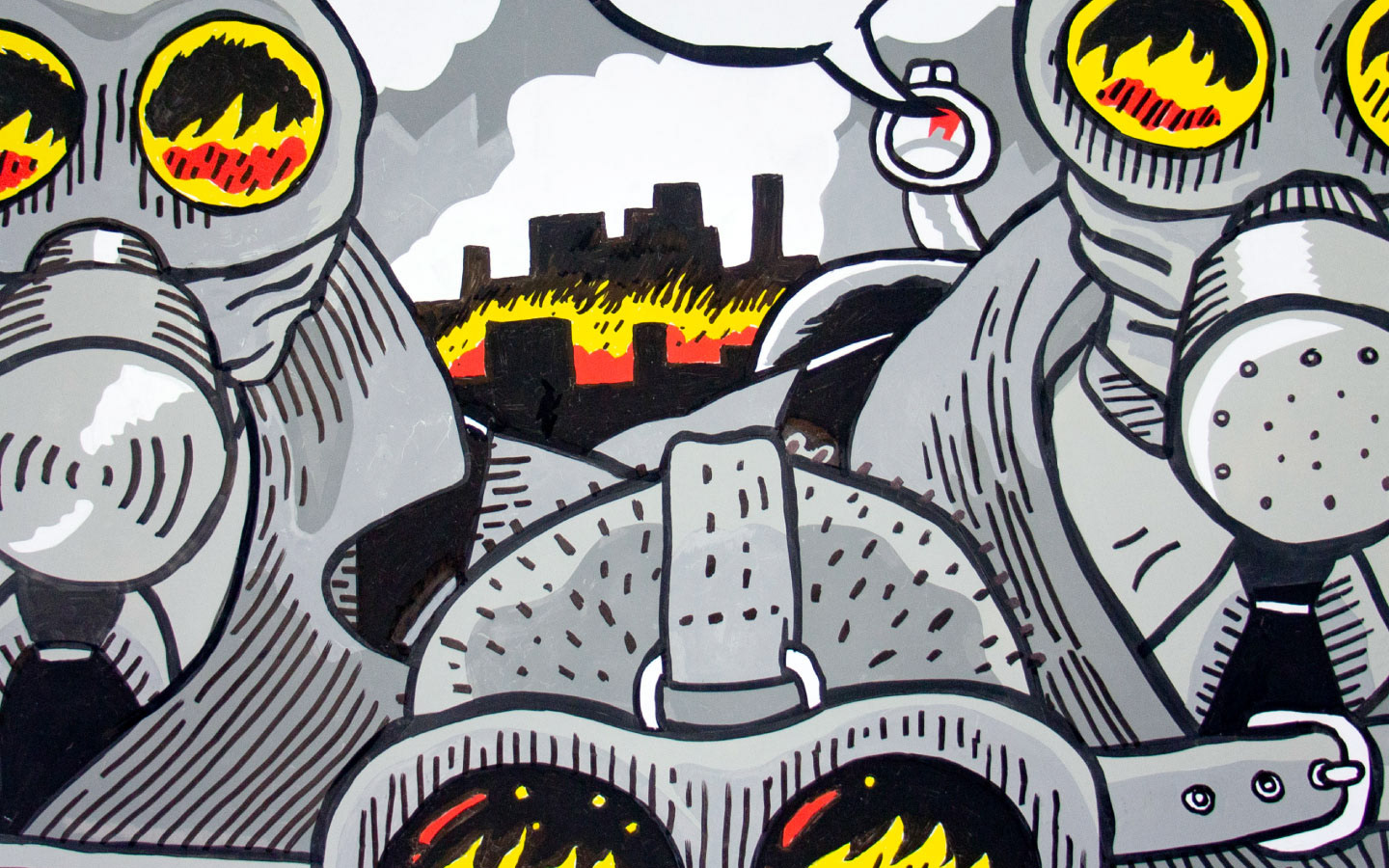
Robô Monstro Ataca (Canetão sobre chapa PS)
Robot Monster Attacks (Marker pen on PS plate)
A exposição parte da linguagem dos quadrinhos — mas ao invés de seguir as regras, ela as dobra, corta, reorganiza e, vez ou outra, esconde a tesoura. Caldas desafia a lógica linear do “quadro a quadro” com uma montagem que parece sempre entre o “ainda não” e o “já foi”. O ritmo aqui é visual, mas também corporal: cada passo do visitante vira um virar de página, um corte de cena ou um intervalo de silêncio.
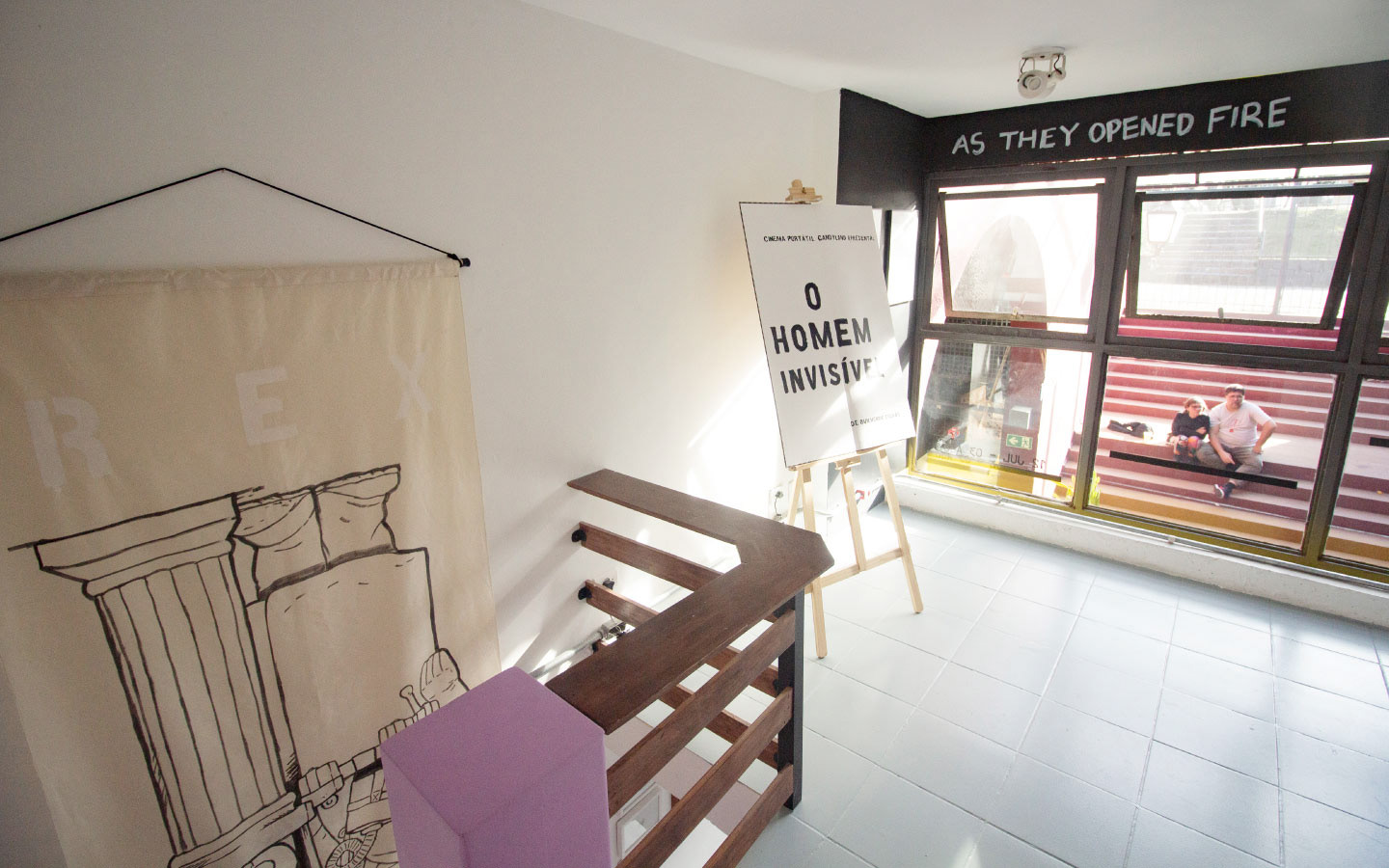
Vista da exposição, galeria Múltiplo
View of the exhibition, Múltiplo gallery
Misturando materiais “nobres” e “banalíssimos” — como o bom e velho carimbo, esse operário da imagem — Caldas cria uma colagem visual onde não há hierarquia entre o traço à mão e a reprodução em série. Tudo convive no mesmo plano, ou melhor, no mesmo voo: uma espécie de céu imaginário em que imagens flutuam, se chocam, se repetem e se sabotam.
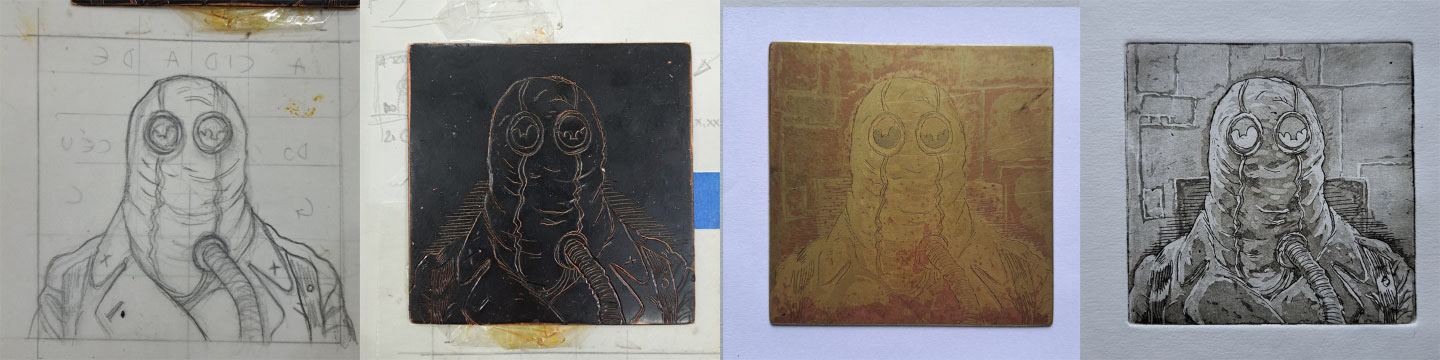
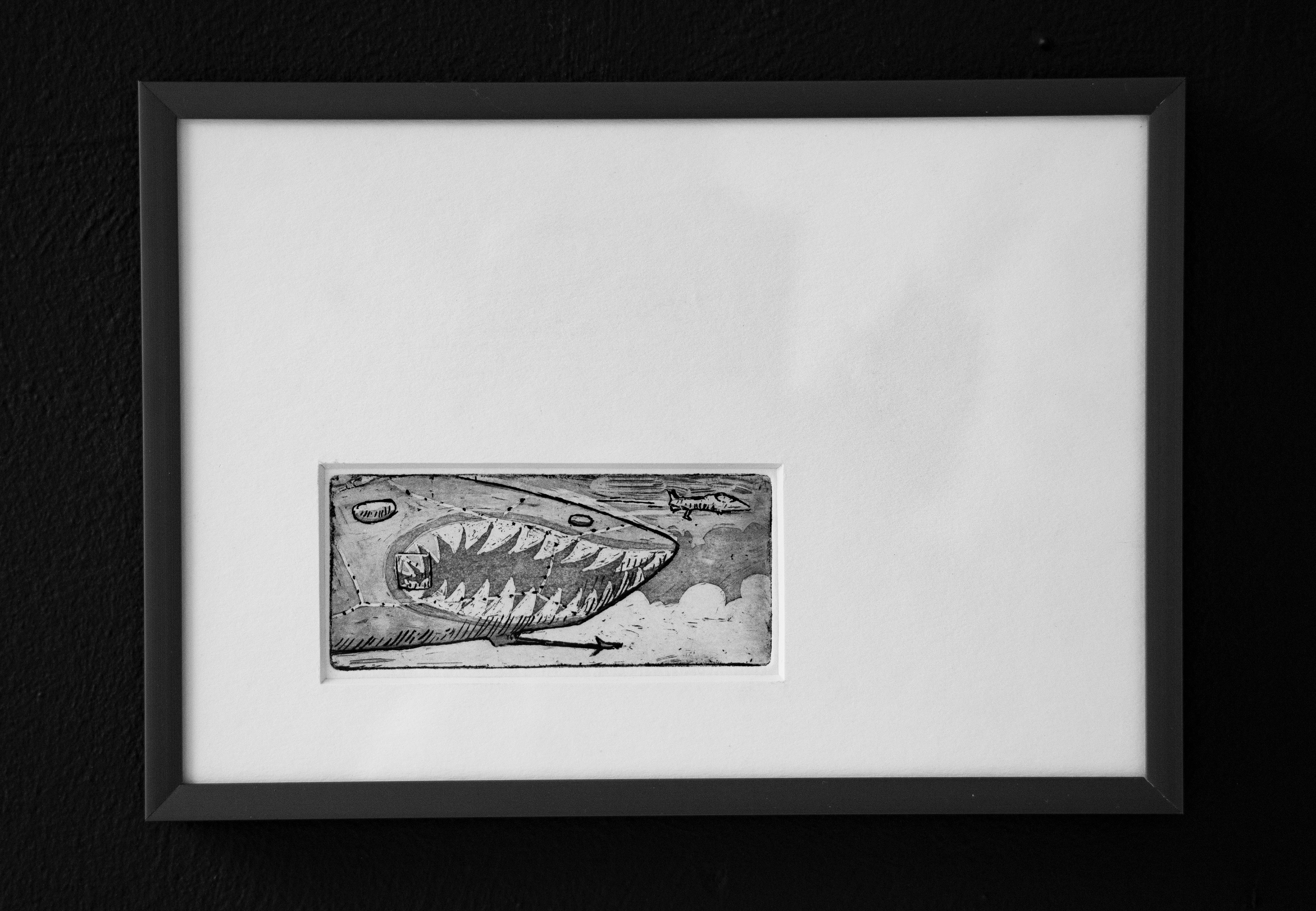
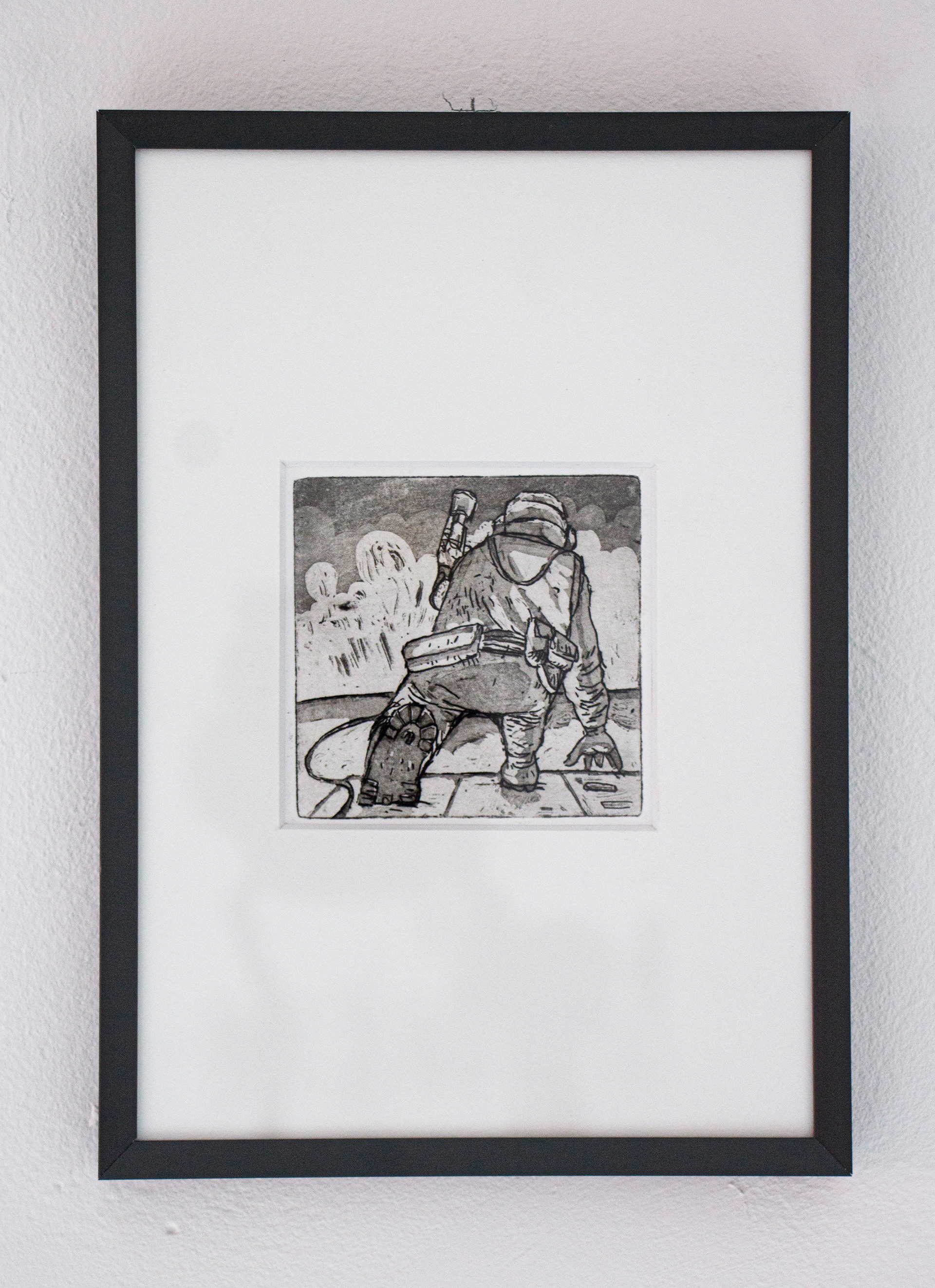
Processo de gravura (água-forte) usada em Cidade do Céu
Engraving process (etching) used in City of Heaven
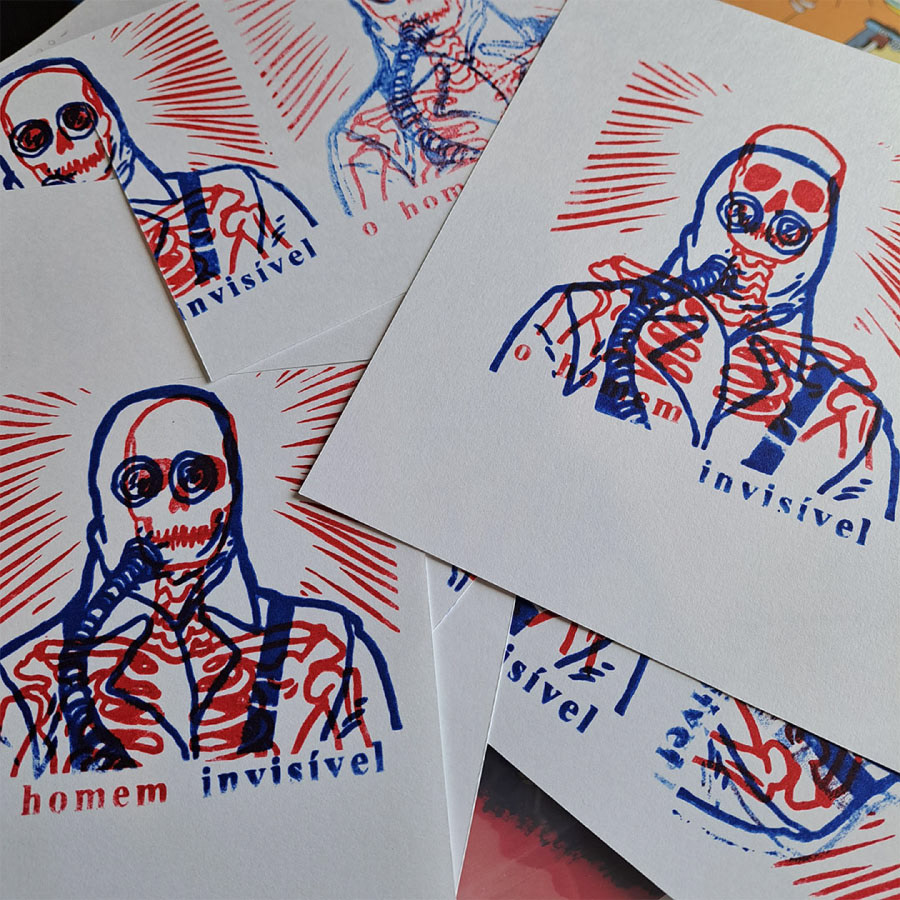
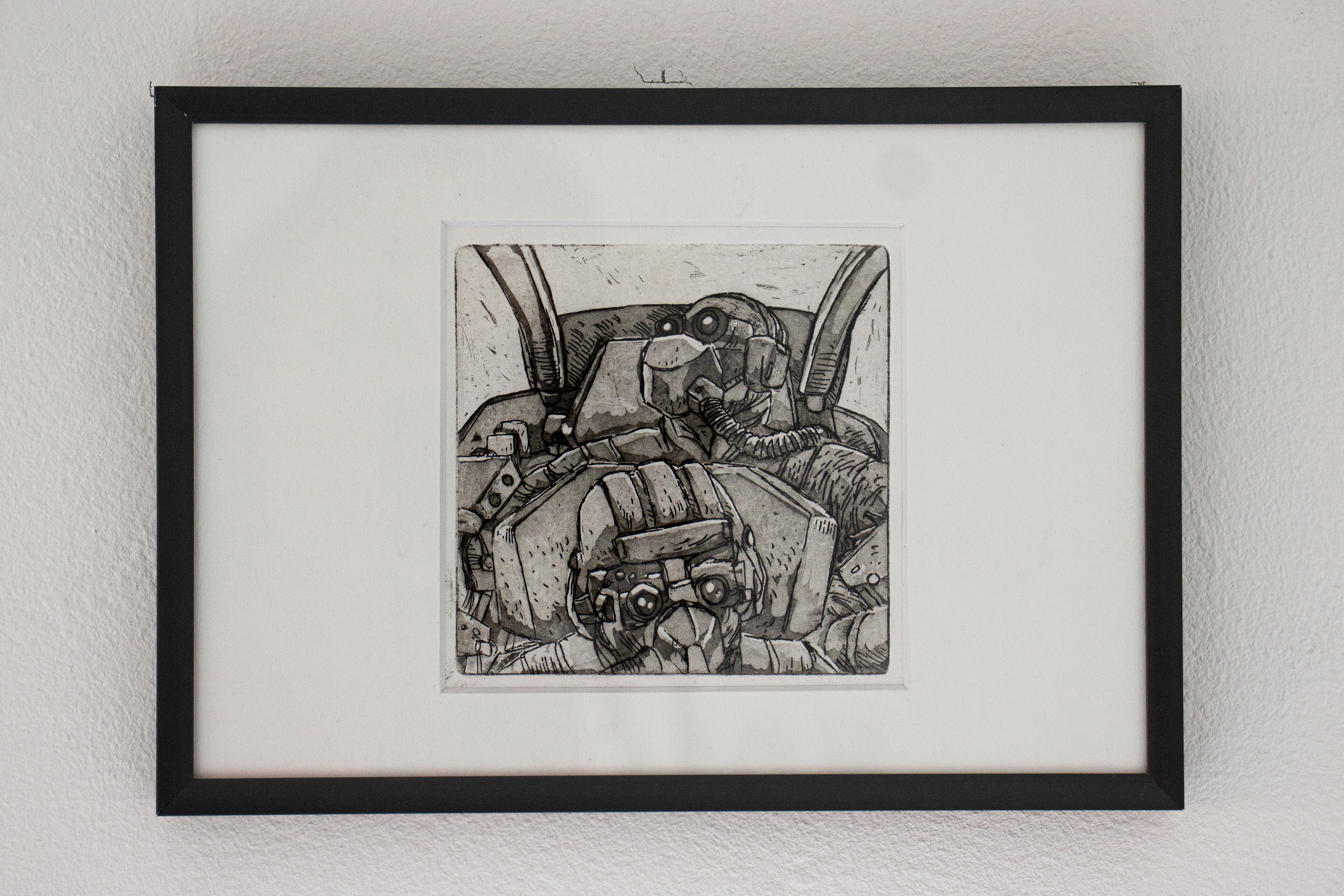
Homem Invisível (carimbo sobre papel)
Invisible Man (stamp on paper)
Se os quadrinhos nasceram como arte popular, relegada ao canto dos jornais ou às bancas de revista, hoje eles caminham com desenvoltura entre a chamada alta cultura e o universo pop. E Caldas sabe disso. Por isso, ao invés de escolher um lado, ele abre o leque: flerta com a tradição da gravura e do desenho erudito, mas também com o gibi da infância, a estética do zine punk, a ficção científica e os sinais urbanos desgastados pelo tempo. O artista assume essa babel gráfica como linguagem própria — e a transforma em um convite à deriva.
A exposição nos lembra que contar histórias não depende apenas de palavras — e que, às vezes, basta um painel ao lado do outro para que a mente faça o resto. Uma linha, uma mancha, um símbolo recorrente — tudo isso pode ser narrativa. Ou melhor, pode ser um ruído visual que instiga a narrativa a surgir. Afinal, como dizem os quadrinistas mais atentos, basta ter duas imagens em sequência para criar o tempo. Guilherme Caldas parece responder: “e se essas imagens forem nuvens?”
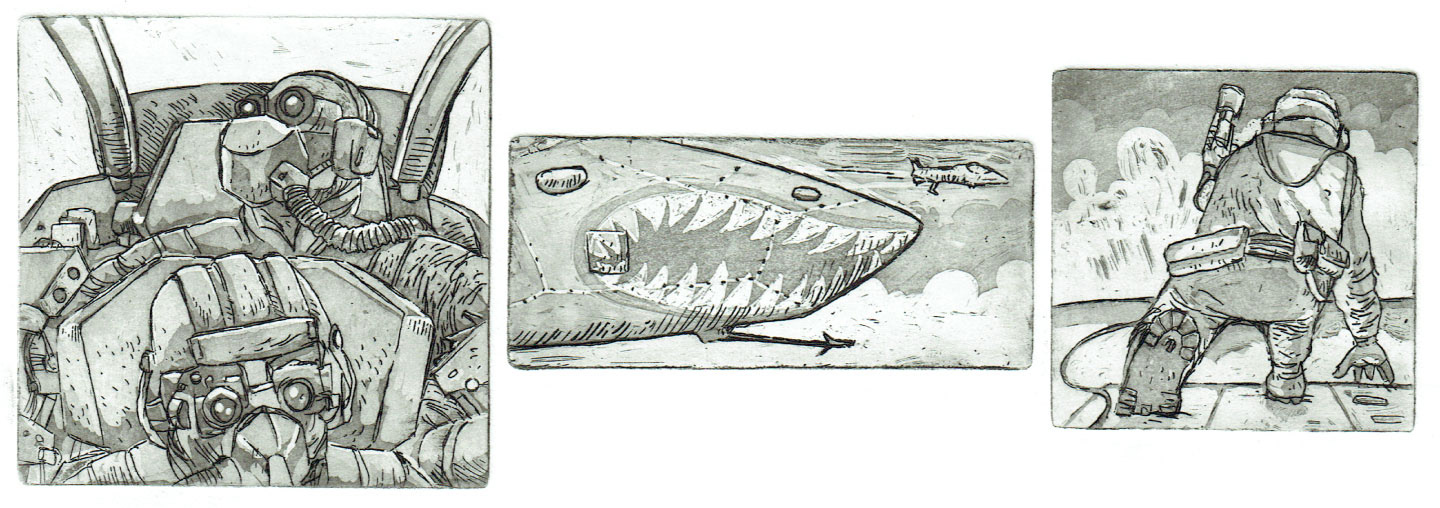
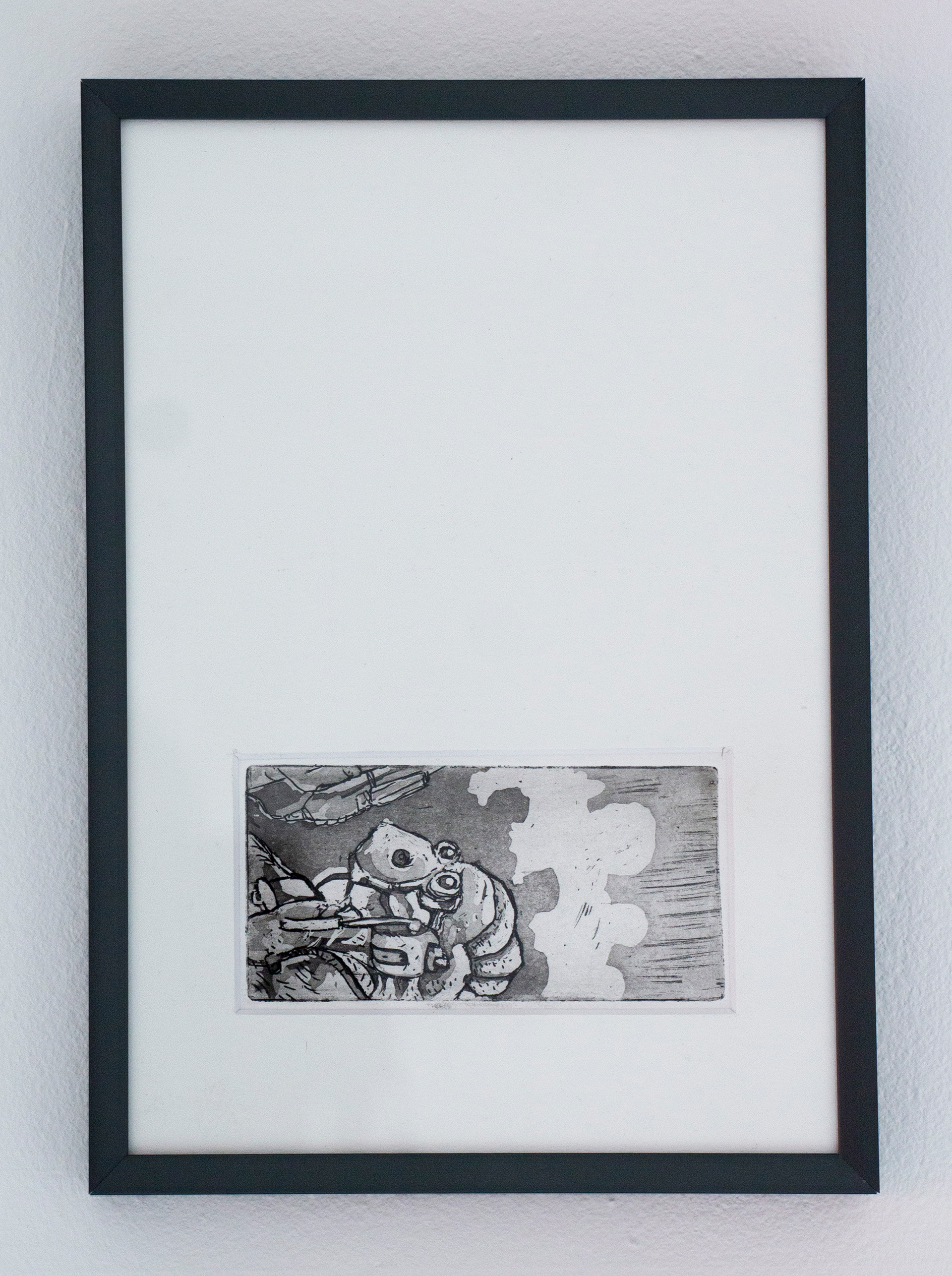
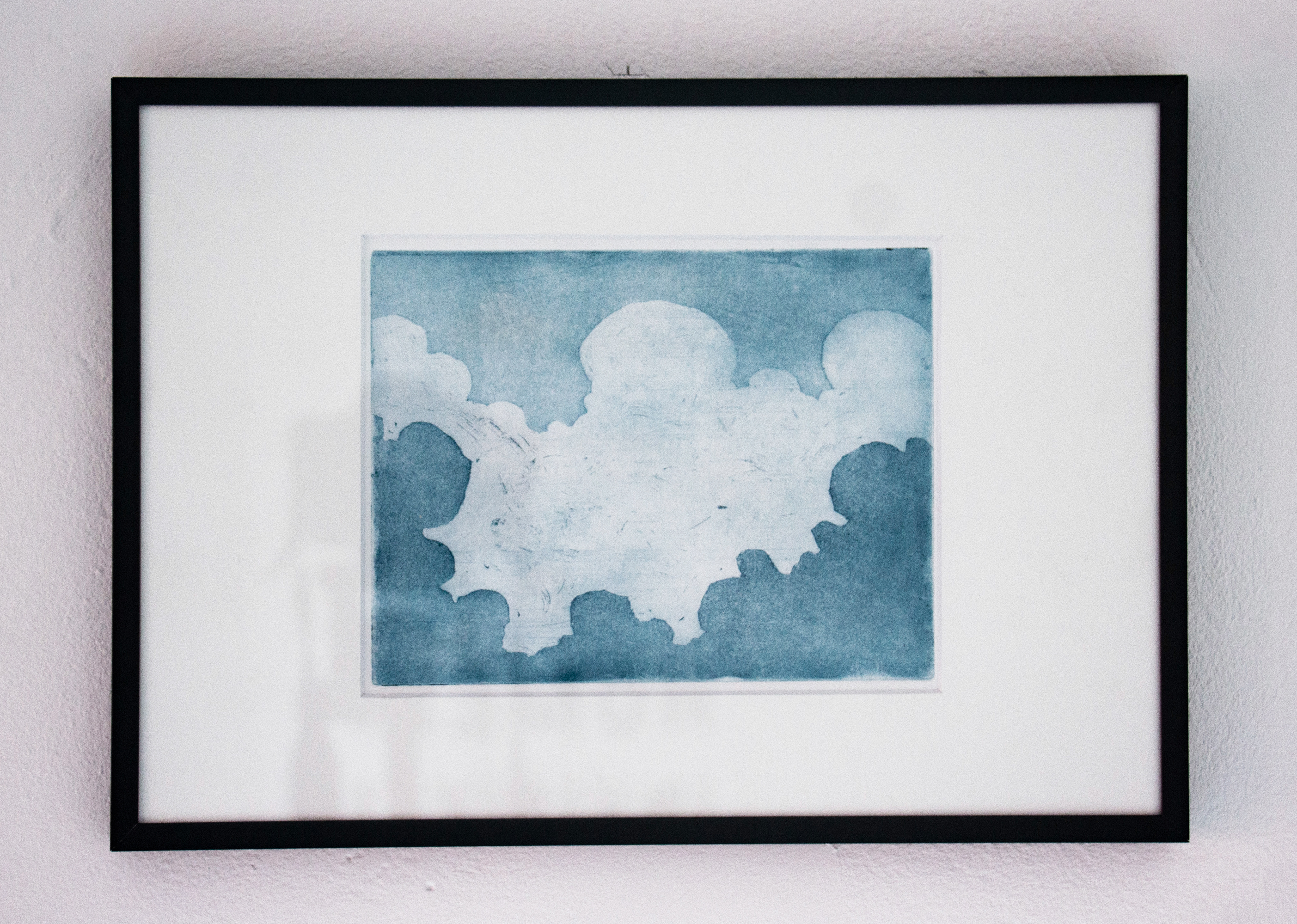
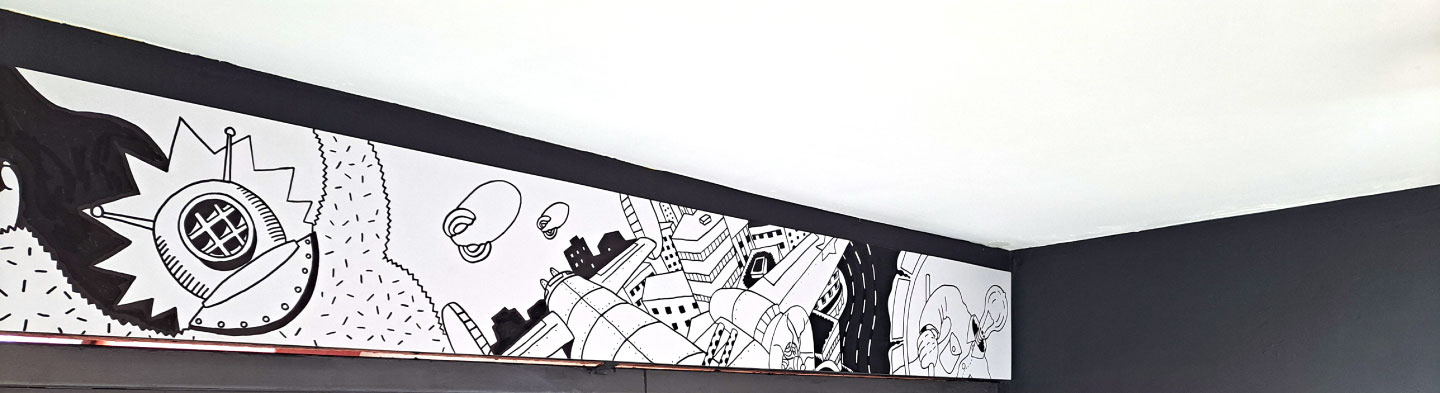
Cidade do Céu, parte 2 (fragmento)
City of Heaven, part 2 (excerpt)
Get ready to land — or take off — in a graphic territory where engraving meets comics, drawings stretch into installations, and the gallery transforms into a kind of habitable comic book. In Cidade do Céu (City of Heaven), Guilherme Caldas proposes not just an exhibition: he installs a kind of visual laboratory of graphic experimentation, where everything is fragment and possibility. The Múltiplo gallery ceases to be an exhibition space and becomes a page (or is it a panel?), the physical support for a narrative that unfolds in the space, amid stamps, transfers, metals, and humor.
The exhibition starts from the language of comics — but instead of following the rules, it bends them, cuts them, reorganizes them, and, from time to time, hides the scissors. Caldas challenges the linear logic of “frame by frame” with a montage that always seems to be between “not yet” and “already.” The rhythm here is visual, but also physical: each step taken by the visitor becomes a turning of the page, a cut in the scene, or an interval of silence.
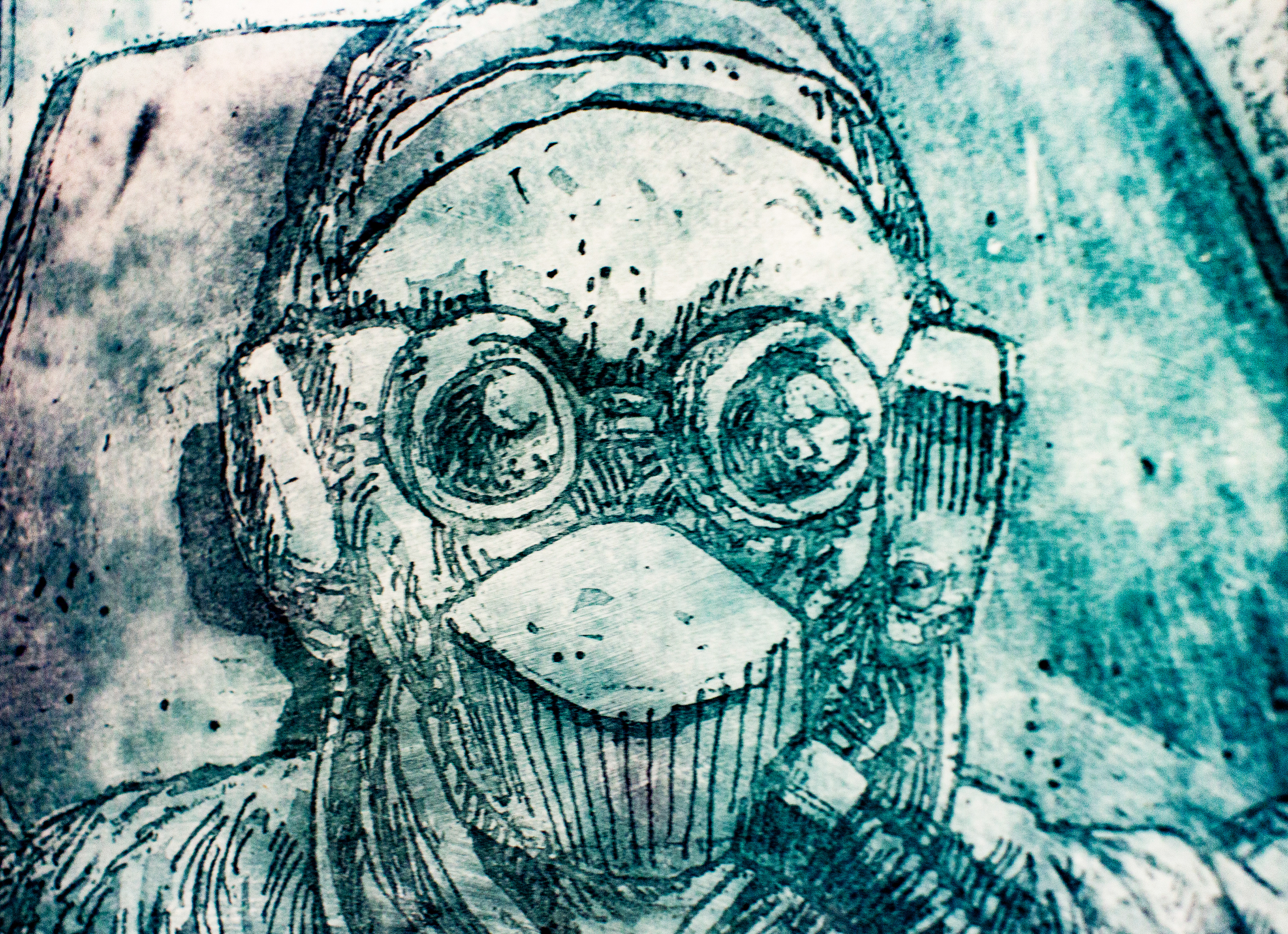
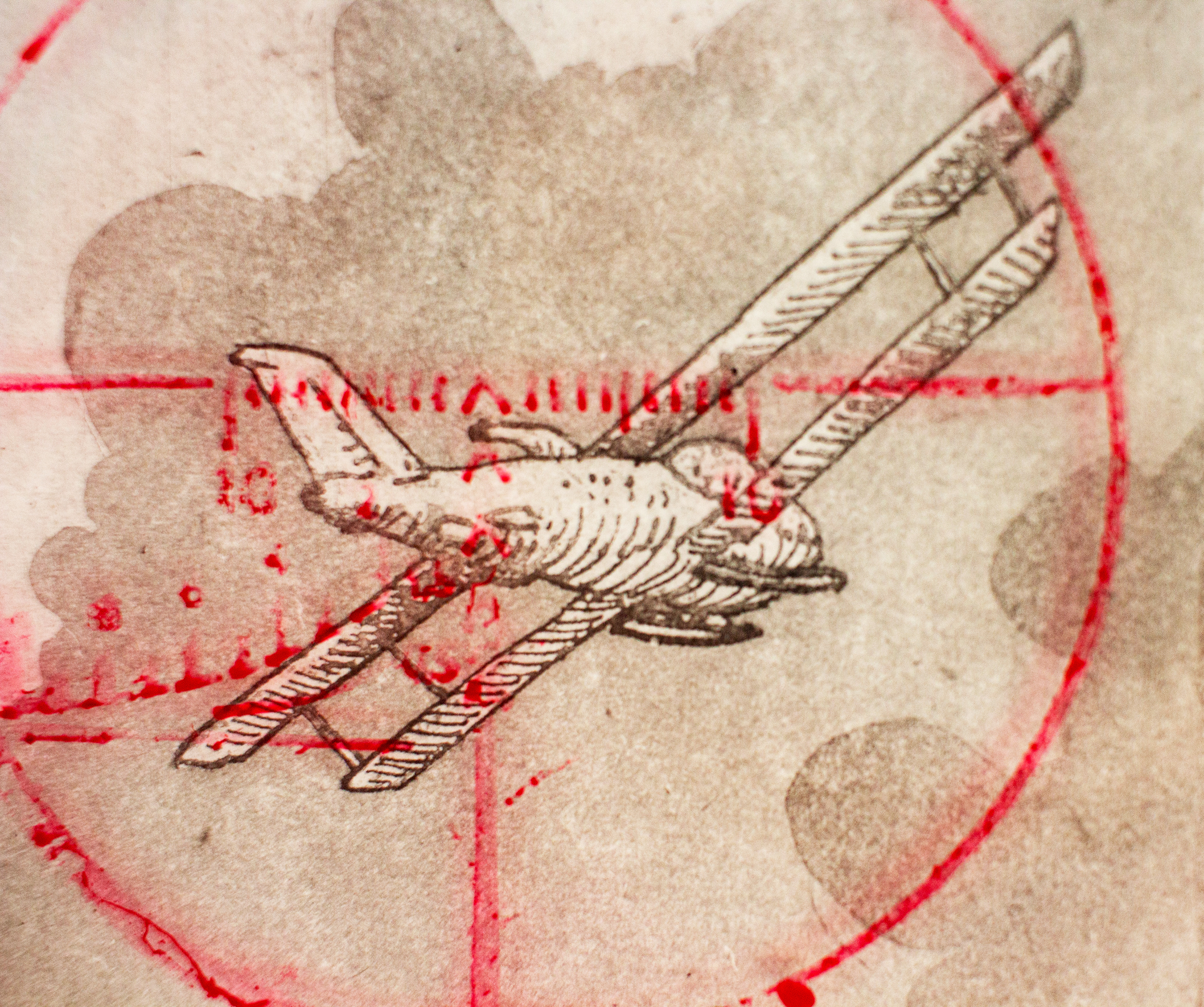
Mixing “noble” and “very banal” materials — such as the good old stamp, that laborer of the image — Caldas creates a visual collage where there is no hierarchy between the hand-drawn line and serial reproduction. Everything coexists on the same plane, or rather, on the same flight: a kind of imaginary sky in which images float, collide, repeat, and sabotage each other.
If comics began as popular art, relegated to the corners of newspapers or magazine stands, today they move with ease between so-called high culture and the pop universe. And Caldas knows this. So, instead of choosing one side, he broadens his horizons: he flirts with the tradition of engraving and classical drawing, but also with childhood comics, the aesthetics of punk zines, science fiction, and time-worn urban signs. The artist embraces this graphic Babel as his own language—and transforms it into an invitation to drift.
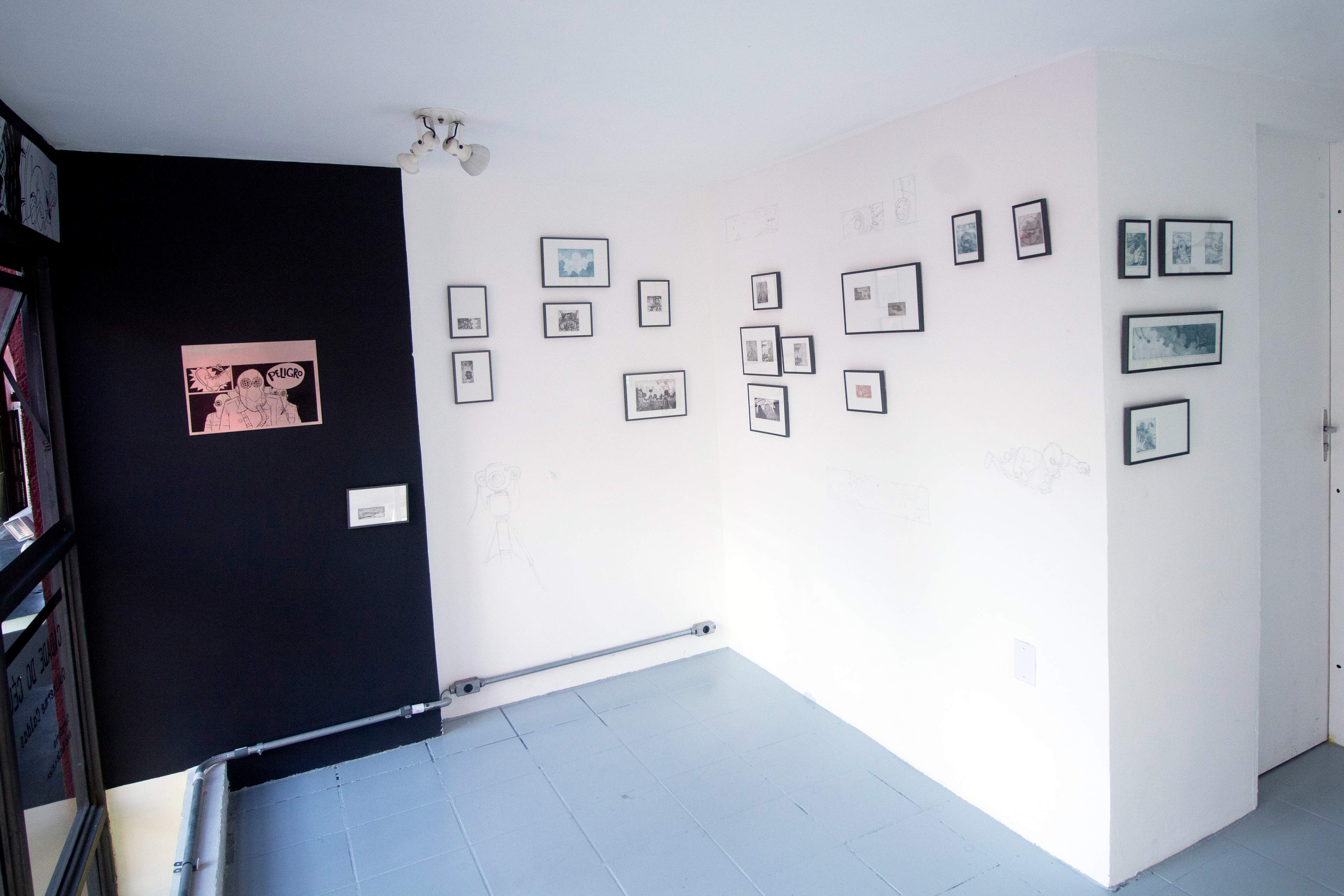
The exhibition reminds us that storytelling does not depend solely on words — and that sometimes, all it takes is one panel next to another for the mind to do the rest. A line, a stain, a recurring symbol — all of these can be narrative. Or rather, they can be visual noise that prompts the narrative to emerge. After all, as the most attentive comic book artists say, all you need is two images in sequence to create time. Guilherme Caldas seems to respond: “what if these images are clouds?”